
Journal · Lawn care
The three mistakes that keep your lawn from recovering
Mowing too short, watering too often and skipping aeration. Fix these three and most lawns improve on their own.
When a lawn looks thin, patchy or tired, the instinct is to add something: more fertilizer, more seed, more water. Often the better answer is to stop doing the three things that hold most lawns back.
1. Mowing too short
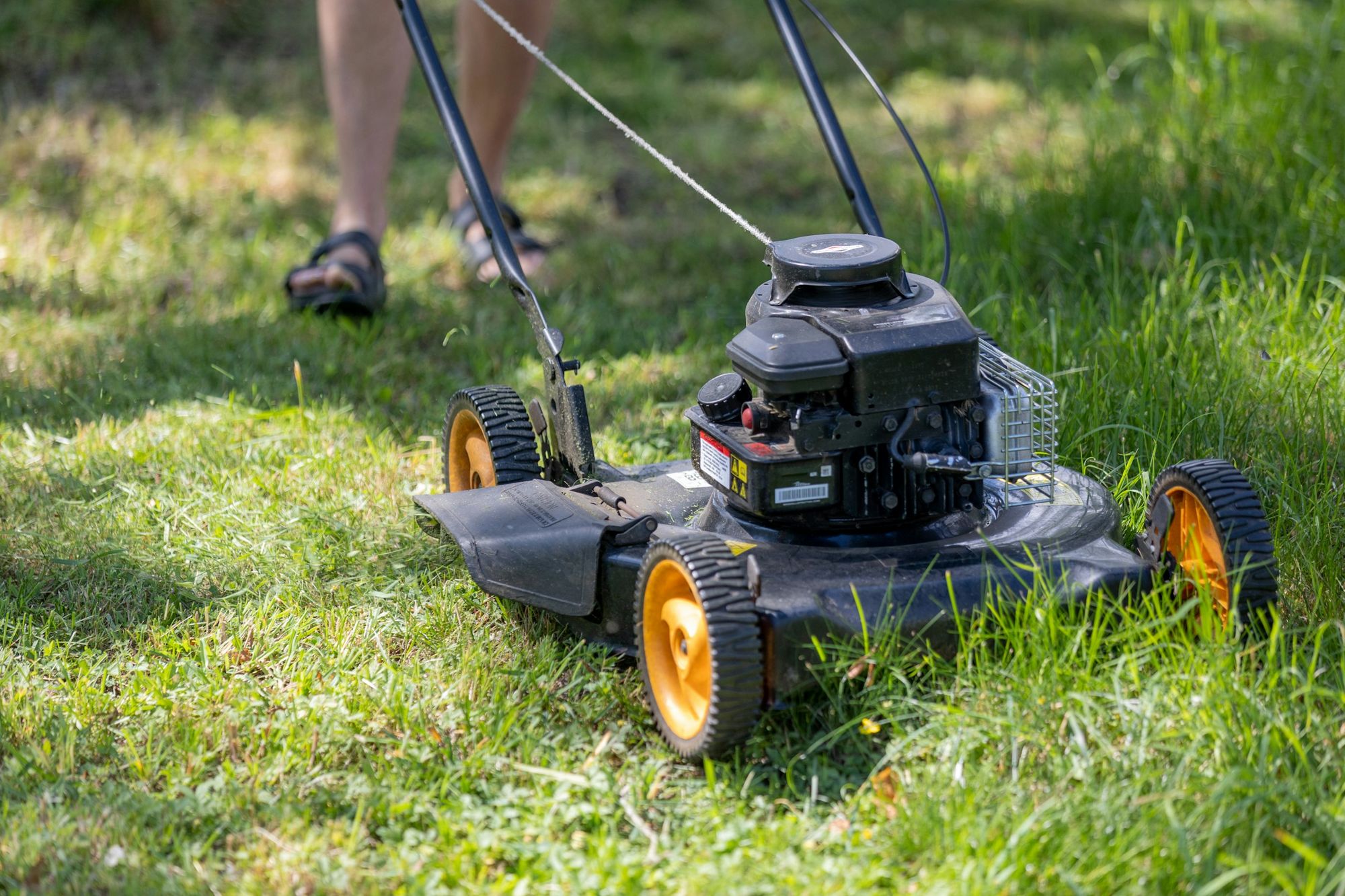
A short cut looks tidy for a day, but grass blades are how a lawn feeds itself. Cut too much and the plant spends its energy regrowing leaves instead of roots, and bare soil lets weeds in. A useful rule: never remove more than one-third of the blade in a single mowing.
Typical mowing heights by grass type:
- St. Augustine: 3 to 4 inches.
- Tall fescue: 3 to 4 inches.
- Kentucky bluegrass: 2.5 to 3.5 inches.
- Zoysia: 1 to 2 inches.
- Bermuda: 1 to 2 inches with a rotary mower.
Keep the blades sharp, too. A dull blade tears grass and leaves ragged, brown tips that invite disease.
2. Watering too often
Short, daily watering keeps the top inch of soil wet and trains roots to stay there. When summer heat arrives, those shallow roots dry out first. Deep, infrequent watering that wets the soil four to six inches down encourages roots to follow the water. In most lawns, that means watering once or twice a week, early in the morning, rather than a little every day.
Water deeply and less often, and the roots will follow.
3. Skipping aeration
Foot traffic, mowing and rain slowly pack soil tight. Compacted soil starves roots of air and sheds water instead of absorbing it. Core aeration pulls small plugs of soil out of the lawn, opening channels for air, water and nutrients. Most lawns benefit from it once a year, at the right season for the grass.
Give it a season
Lawns respond slowly. Raise the mower, water deeply and aerate on schedule, and most will look noticeably healthier within one growing season, often without a single extra product.
LawnPoint branches open in 2027. When they do, our crews will mow at the right height for each grass type and schedule aeration for the right season in each market.
Next
The Journal